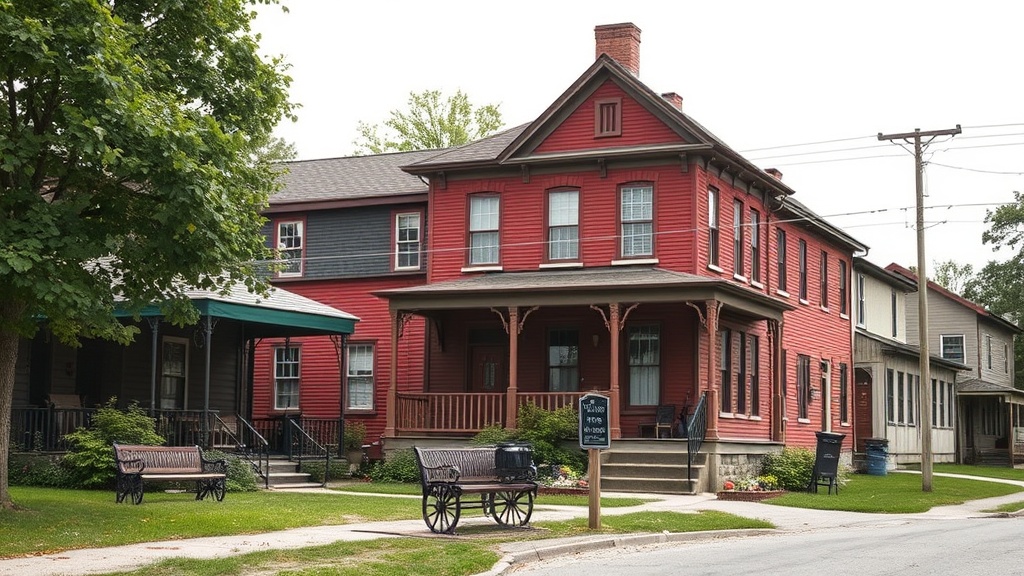
Echoes of the Past: Unearthing New Tecumseth's Enduring Local Heritage

When you walk through the historic core of Beeton, past the century-old brick buildings that line Main Street, it’s easy to admire the architecture without truly seeing the stories embedded within the mortar. New Tecumseth, often seen as a collection of charming towns and burgeoning developments, possesses a rich and complex past that continues to shape its present character. Understanding this heritage isn't just about recounting dates; it’s about appreciating the resilience, innovation, and quiet determination that built our community, offering a deeper connection to the place we call home. This exploration offers insight into the foundational elements that persist—sometimes subtly, sometimes overtly—in our daily lives, making every street, every park, and every familiar landmark resonate with a newfound significance.
Consider the expansive farmlands that still dominate much of our surrounding landscape. These aren’t merely agricultural plots; they’re living testaments to generations of families who tilled this soil, adapting to the land’s rhythms and challenges. The legacy of these early settlers—their methods, their communities, and even their struggles—informs much of what we experience today. From the careful preservation efforts in our downtowns to the community festivals that celebrate our roots, the past isn’t merely prologue here; it’s an active, contributing force to New Tecumseth’s distinct identity. Diving into these deeper currents helps us understand not just where we’ve been, but where we’re going, anchored by the rich historical context that underpins our evolving towns.
What Forgotten Stories Lie Beneath Our Feet in New Tecumseth?
Beyond the well-trodden paths and commemorative plaques, New Tecumseth holds countless untold stories, waiting for discovery. Take, for instance, the evolution of Alliston from a small settlement named for Samuel Alliston into a thriving agricultural and industrial hub. The early sawmills along the Boyne River were crucial to its growth, supplying timber that literally built the region. These operations, while no longer active, left an indelible mark—shaping the very waterways and land contours we interact with today. Many older homes throughout our towns incorporate timber frames from these early mills, carrying within their very structure a piece of this industrial heritage. The remnants of these operations—subtle shifts in terrain, forgotten stream diversions—are all around, if you know what to look for.
Similarly, the railway lines that once crisscrossed the region—some still active, others repurposed as recreational trails—were lifelines for our communities. They transported goods, people, and ideas, connecting New Tecumseth to the wider world and facilitating rapid growth. The old station houses, where they still stand, whisper tales of arrivals and departures, of bustling economic activity and heartfelt goodbyes. These transportation arteries weren't just infrastructure; they were the very veins of our developing towns. Even today, the positioning of our main streets often aligns with where these railway lines once ran, dictating the flow of traffic and commerce.
For those interested in probing deeper, the New Tecumseth Public Library branches house extensive local history collections, including fascinating archival photographs and documents. These resources offer windows into the daily lives of residents from bygone eras—what they wore, how they worked, and what they valued. Exploring these records often reveals surprising details about familiar landmarks or sheds light on forgotten community figures. It’s through these direct connections that the past truly comes alive, moving beyond abstract concepts to tangible, relatable human experiences. Discover more about our local heritage by visiting the